Prague · Telugu
Discover Prague: A Magical 3-Day Weekend Guide
Charles Bridge, the Kafka head, Prague Castle and a night cruise on the Vltava.
Indians in Germany · Since 2022
Two Indians based in Braunschweig documenting budget train trips, hidden food gems, and real expat life across 10+ European countries.
Travel guides
 France4 Days▶ 2 videos
From the Eiffel Tower to hidden boulangeries — covering Paris without tourist trap prices. Plus where to find Indian food when you miss home.
Budget: ~€325–465 per person
View full itinerary → Czech Republic3 Days▶ 2 videos
Stunning, cheap, and easy from Germany. A weekend trip that punches way above its price tag.
Budget: ~€182–287 per person
View full itinerary →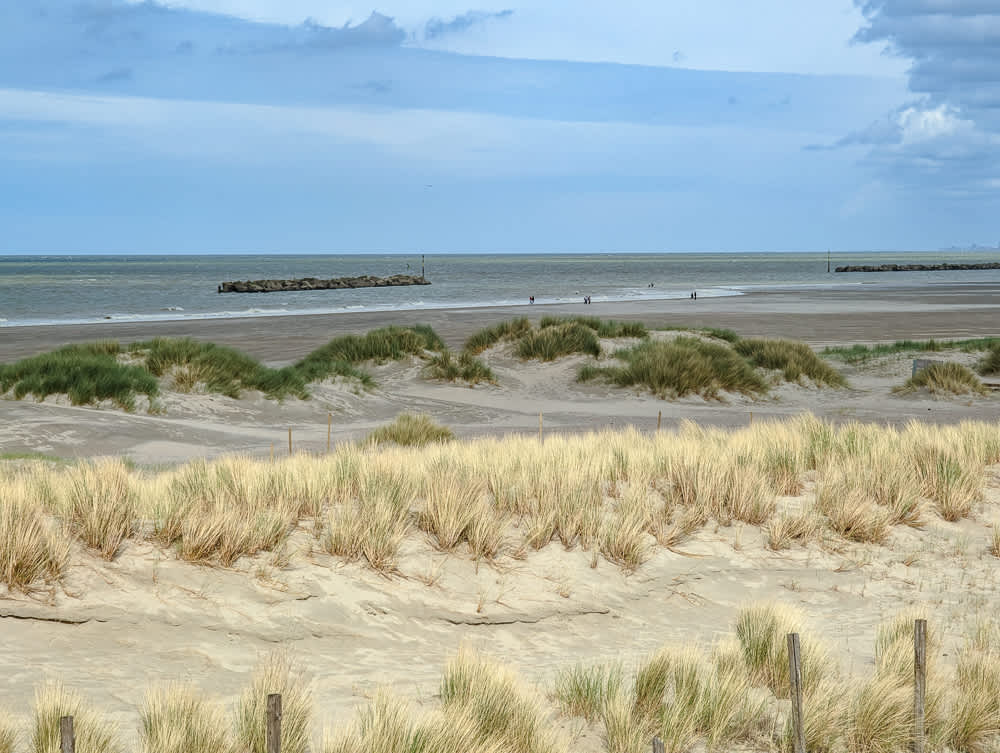 France2 Days▶ 2 videos
Operation Dynamo, WWII bunkers, and fresh seafood on the French coast. Way more than a Christopher Nolan movie.
Budget: ~€412–657 per person
View full itinerary →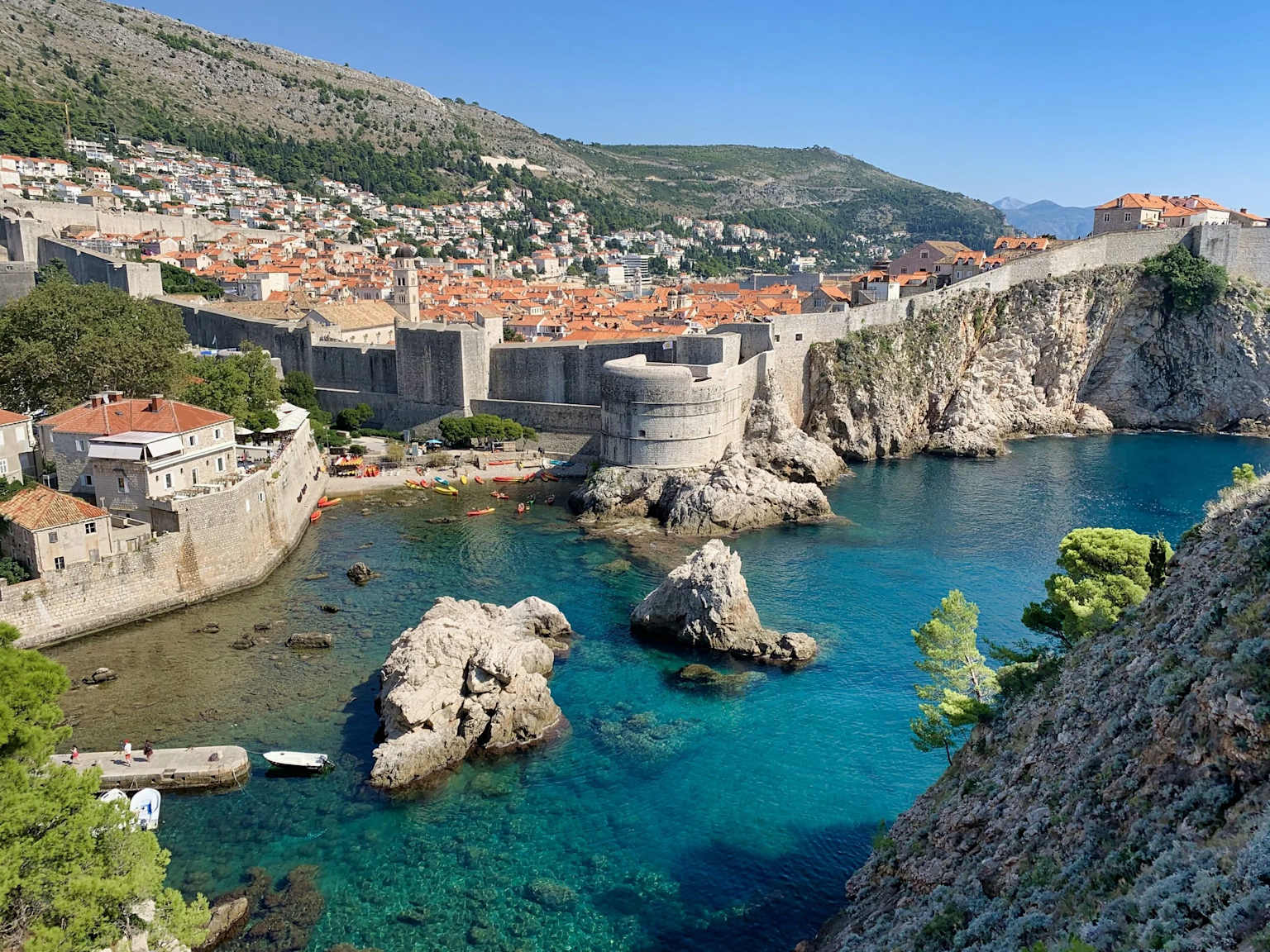 Croatia7 Days
The Adriatic coast, scuba diving, Game of Thrones walls, and the freshest seafood.
Budget: ~€740–1010 per person
View full itinerary → Luxembourg2 Days▶ 3 videos
One of Europe's smallest countries with insane fortress views — and free public transport nationwide.
Budget: ~€172–359 per person
View full itinerary →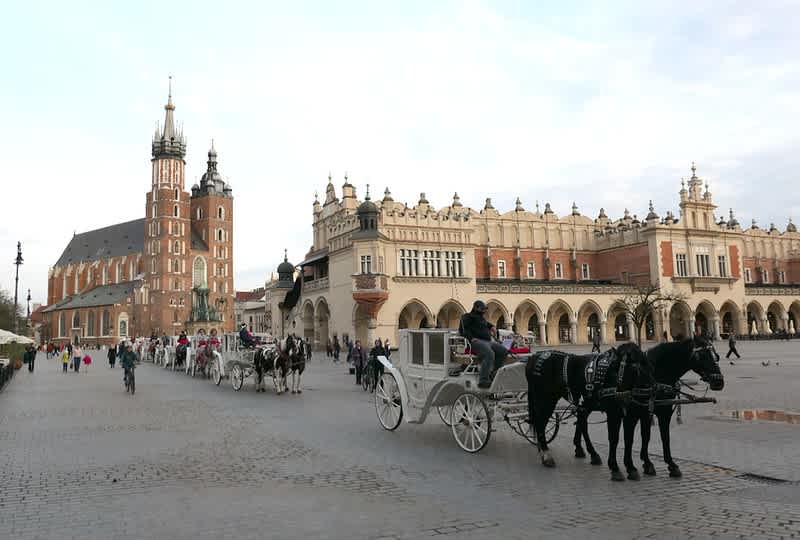 Poland4 Days
Kraków and Warsaw — medieval history, incredible food, and extremely wallet-friendly.
Budget: ~€270–455 per person
View full itinerary →A self-drive Swiss base at Lake Sarnen with a 3-day Swiss Travel Pass: Lake Brienz, Titlis, Rigi, Andermatt — then Rhine Falls and the Porsche Museum on the way home.
Key costs: Swiss Travel Pass CHF 254 · vignette CHF 40
View full itinerary →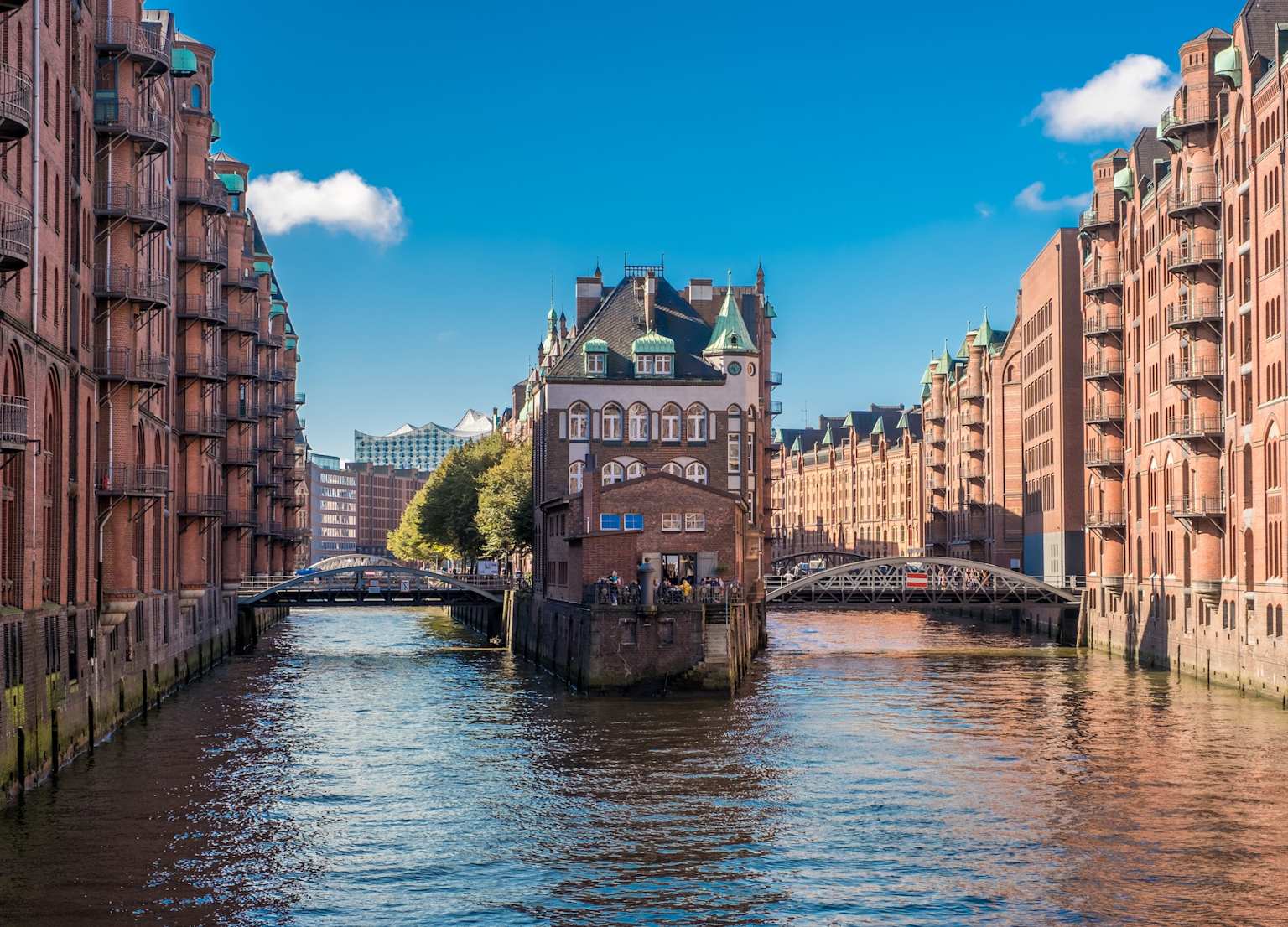 GermanyDay Trips▶ 2 videos
Hamburg, Hanover, Berlin — perfect day trips using the Deutschlandticket.
Budget: ~€30–80 per person/day
View full itinerary →Watch Filly Belly
Prague · Telugu
Charles Bridge, the Kafka head, Prague Castle and a night cruise on the Vltava.
Luxembourg · Telugu
Vianden Castle and its cable car, the Bock Casemates, the Grand Ducal Palace and Luxembourg's free public transport.
Dunkirk · Telugu history
A history explainer about the 1940 evacuation and how the film compares with what really happened.
Amsterdam · Telugu
Dos and don'ts for first-time visitors — bike lanes, public transport and museum tickets.
Germany guide · Telugu
The full process, costs and exam tips for getting or converting a German driving licence.
Paris
Prague
Amsterdam
Amsterdam
Switzerland
Switzerland
Switzerland
Germany
Germany & food
Who we are
We're Filly Belly — a duo of Indians living in Braunschweig, Germany. What started as sharing food finds on Instagram has grown into a full travel & lifestyle channel for one of Europe's most underserved audiences.
Our content is built for Indians in Germany and Indians back home planning their first Schengen adventure. We know the visa stress, the budget hacks, the train apps, and where to find good masala chai in Prague.
We speak your language — literally (Hindi, English, learning German) and culturally.
Germany guide
Please check before you act. The main figures here — blocked account, BAföG, minimum wage, Blue Card salary thresholds, Deutschlandticket, student health insurance and integration-course cost — were checked against public sources in October 2026. Other details come from our own experience and may be out of date, and rules change often. This is not legal, immigration or financial advice: confirm current requirements with the official sources listed under the Visas tab.
Most German universities include a Semesterticket — free or heavily discounted local and regional public transport, usually valid across the whole state. Many also offer the Deutschland-Semesterticket upgrade (about €37.80 a month in 2026) for regional travel nationwide.
Value: often hundreds of euros per semester (varies by university)
Government student aid of up to €992/month in 2026. Half is a grant, half an interest-free loan, and total repayment is capped at €10,010. EU and some non-EU students qualify after a period of study.
Apply via: bafög-digital.de
Student canteens (Mensa) run by Studentenwerk serve hot meals for roughly €2–5 with a student ID, depending on the city. Also subsidised housing, psychological counselling, and child care.
Typical lunch: about €2–5 with student card
Statutory health insurance for students costs roughly €140–150/month in 2026 (for example €141–146 at TK, including long-term care insurance). It is free if you are covered under your parents' German insurance (Familienversicherung), generally until 25.
Compare funds — prices differ by only a few euros
During the semester you can generally work up to 20 hours/week as a Werkstudent with reduced social-security contributions. Non-EU students are also limited to 140 full days or 280 half days a year. Typical pay is €15–20/hour.
Find on: XING, LinkedIn, university job boards
To get your student visa you generally deposit €11,904 (€992 × 12) in a blocked account for 2026. It is released at €992 a month. Fintiba and Expatrio are the main providers, with setup in a few days online.
Check the current amount on the Federal Foreign Office site
Germany officially recognises foreign degrees. Use anabin.kmk.org to check your degree's status. For regulated professions, apply via the relevant state authority.
Check: anabin.kmk.org or anerkennung-in-deutschland.de
LinkedIn and XING are top networks. StepStone, Indeed.de, and make-it-in-germany.com (government portal for international workers) for listings.
Best: LinkedIn + StepStone + company websites
German CVs (Lebenslauf) often include a professional photo, date of birth, and nationality. Keep it to 2 pages. Include an Anschreiben (cover letter) and copies of certificates.
Use Europass or Canva for a clean template
B1–B2 German opens most doors. Goethe Institut, Volkshochschule (VHS) courses and DW Deutsch are great starting points — VHS courses are usually much cheaper than private schools.
Cheap option: VHS courses (prices vary by city)
The statutory minimum wage is €13.90/hour in 2026 and rises to €14.60 on 1 January 2027. All workers regardless of visa status are entitled to paid holidays (minimum 20 days/year), sick pay, and maternity/paternity leave.
Minimum wage: €13.90/hour (2026)
The Federal Employment Agency offers free job counselling and, for eligible people, funding for job-related German courses and further training. Register at arbeitsagentur.de.
Ask about funded German and training options
Student Visa · §16b AufenthG
For anyone admitted to a German university (Uni or Hochschule). You'll need an admission letter, proof of funds via a blocked account (Sperrkonto), health insurance, and a valid passport. Valid for duration of studies + 18 months job search after graduation.
Job Seeker Visa · §20 AufenthG
6-month visa to come to Germany and search for a job. You must have a recognised foreign degree, sufficient German language skills (usually B1–B2), and enough savings for the stay. You cannot work during this period — only interview. Many job seekers now apply for the newer Opportunity Card instead.
Skilled Worker · §18 AufenthG
For professionals with a recognised vocational qualification or degree and a concrete job offer from a German employer. Since the 2023 Skilled Immigration Act, qualifications from non-EU countries are more easily recognised.
EU Blue Card · §18g AufenthG
For highly qualified workers with a university degree and a job offer above the salary threshold (€50,700/year in 2026; €45,934.20 for shortage occupations, certain IT specialists and recent graduates). Faster route to permanent residence.
Opportunity Card · §20a AufenthG
Available since 1 June 2024. A points-based visa to come to Germany and look for work — even without a confirmed job offer. Points are awarded for qualifications, language skills, work experience, age, and previous ties to Germany. You need basic German (A1) or English (B2) and proof you can support yourself, and you can work part-time (up to 20h/week) while searching.
Family Reunion · §28–30 AufenthG
Join a spouse, parent or child already living legally in Germany. Spouses generally need basic German (A1 level) before the visa is issued. Children under 16 can usually join without language proof. Immediate work authorisation granted.
Useful links — official information for German visas
Register your address at the local Bürgeramt within 14 days. You'll need your passport, rental agreement, and a filled Anmeldeformular. You'll receive a Meldebescheinigung — the key document for everything else.
→ Book your slot online — walk-in queues are long
Open a German bank account as soon as you have your Anmeldung. Popular choices for newcomers: N26 (online, English), DKB (online) or Commerzbank (branches everywhere). Check current fees and account conditions before you choose.
→ Many online banks let you open the account entirely online
Health insurance is mandatory. As a student apply through a statutory fund such as TK, Barmer or AOK (roughly €140–150/month in 2026). As an employee your employer registers you with the fund you choose — pick your Krankenkasse before starting.
→ Statutory funds cost almost the same — compare services and the Zusatzbeitrag
Get a German SIM immediately — you need a local number for almost all registrations. Popular prepaid brands: Aldi Talk (O2 network), Lidl Connect (Vodafone network) and congstar (Telekom network). No contract needed; plans usually run in 4-week packs.
→ Starter sets cost around €10 — compare coverage where you live
Your 11-digit Steueridentifikationsnummer arrives by post 2–4 weeks after Anmeldung — automatic, no application needed. Give it to your employer so tax is calculated correctly.
→ Keep this number safe — it's yours for life in Germany
WG-Gesucht.de for flatshares (WGs). ImmobilienScout24 and Immowelt for full apartments. Kleinanzeigen (formerly eBay Kleinanzeigen) for private listings. Studentenwerk housing for students (waitlists exist). Never pay before viewing.
→ Start WG-Gesucht searches 6–8 weeks before arrival
€63/month in 2026 (rising to €66.80 from January 2027) for unlimited travel on regional trains, S-Bahns, U-Bahns, trams and buses across Germany — not ICE/IC. It is a monthly-cancellable subscription and great value if you travel regularly.
→ Buy via the DB Navigator app, bahn.de or your local transport provider
Government-subsidised German language + orientation course — 700 lessons in total, ending in a B1 exam. Cost: €2.29 per lesson (€1,603 in total); half is refunded if you pass the final test in time, and some benefit recipients are exempt. Check availability and eligibility with BAMF (bamf.de).
→ Apply for a cost exemption before the course starts
Also on YouTube — getting a German driving licence
Germany guide · Telugu
The full process, costs and exam tips for getting or converting a German driving licence.
Work with us
Our audience is a niche no mainstream European creator owns — Indians living in Germany, and Indians in India planning their first Europe trip. 99.2% non-follower reach means every Reel is a discovery engine, not just a follower update.
UGC Only
€150–300 / deliverable
Nano Collab
€350–600 / campaign
Affiliate / Ongoing
Rev-share + flat fee
Get in touch
Full analytics screenshots available on request. Open to gifted collaborations for first-time partnerships.
✉ fillybelly0415@gmail.com